
The Productivity Trap: When Rest Feels Like a Crime Nov 24, 2025
The Productivity Trap: When Rest Feels Like a Crime
Have you ever tried to relax but felt guilty for not being productive? That restless feeling that you should be doing more, achieving more, or working harder? If yes, you may be stuck in the productivity trap.
In today’s fast-paced world, busyness is often seen as success. A packed schedule looks impressive. But constantly chasing output can damage your mental health and overall wellbeing.
What Is the Productivity Trap?
The productivity trap is the belief that your worth depends entirely on how much you achieve. It convinces you that rest equals laziness.
Psychologists often refer to this mindset as toxic productivity — a pattern where people feel guilty when they are not working or accomplishing something measurable.
Over time, this thinking creates a harmful cycle:
Work more
Rest less
Feel exhausted
Still believe it’s not enough
The Link Between Toxic Productivity and Burnout
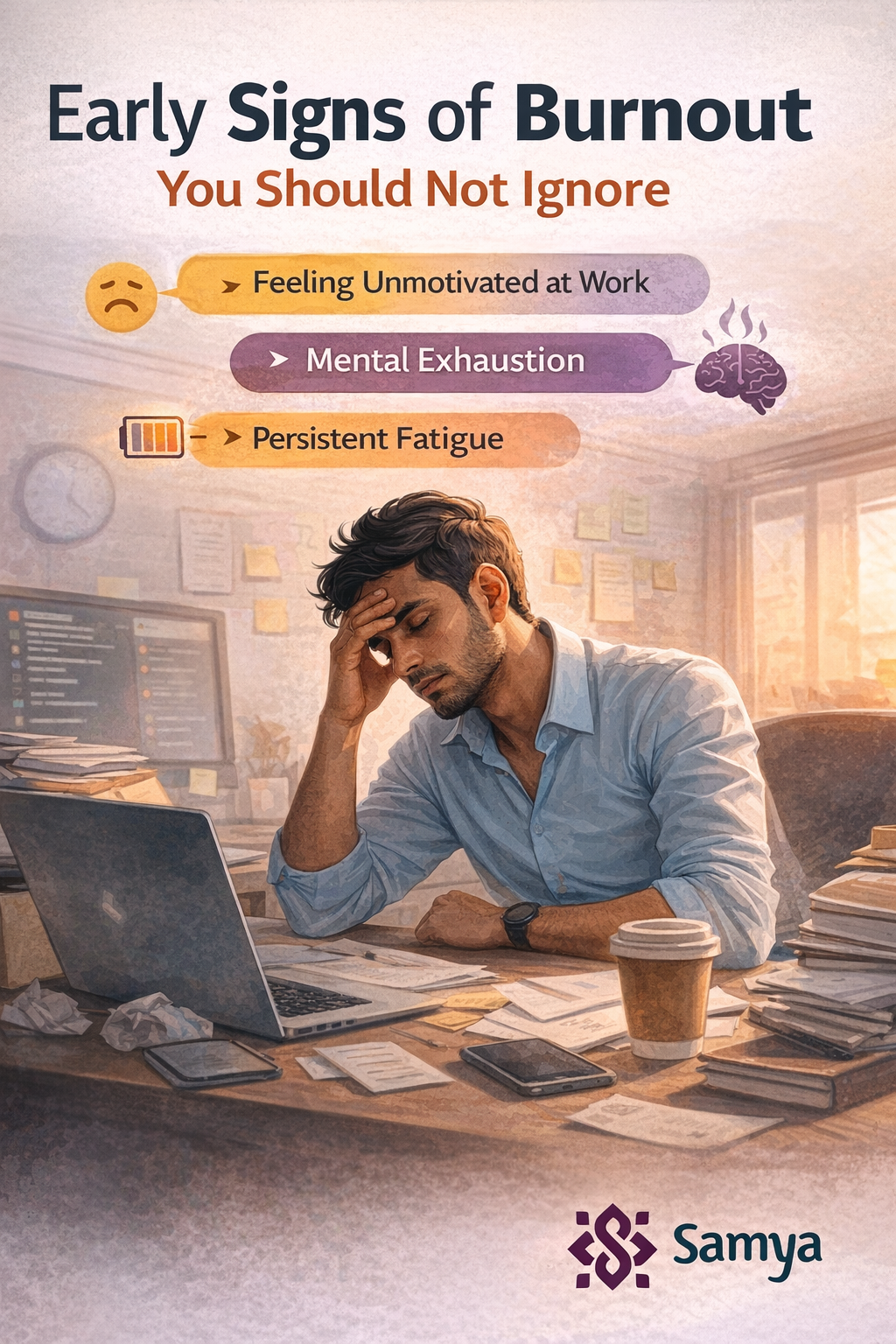
Constant pressure to perform leads to burnout. Burnout is more than tiredness; it is emotional, mental, and physical exhaustion caused by prolonged stress.
Signs of burnout include:
Chronic fatigue
Lack of motivation
Irritability
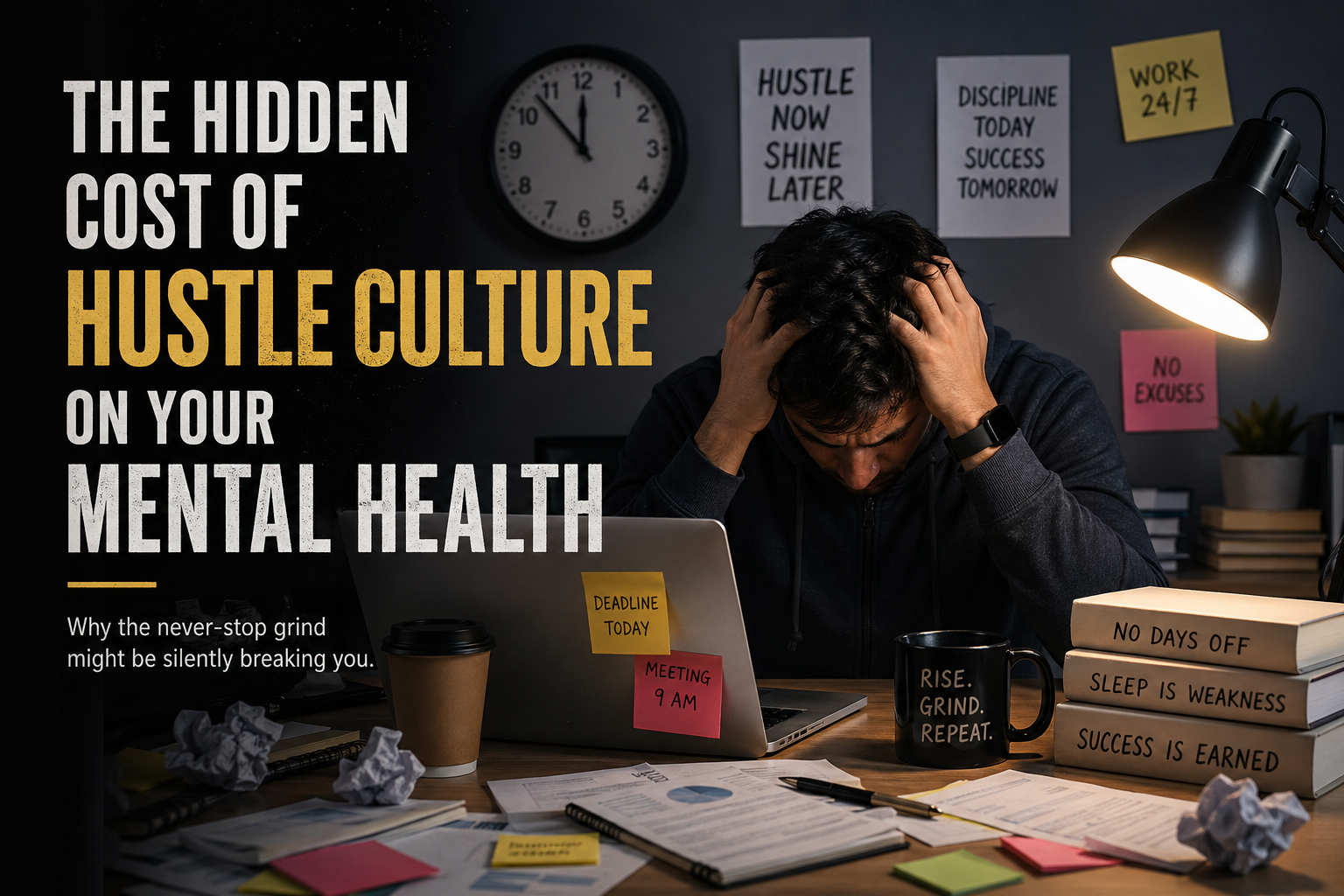
Toxic productivity makes rest feel like laziness. Discover how to break the productivity trap and build a healthier work-life balance.
Reduced focus
Sleep problems
Ironically, when you avoid rest to stay productive, your efficiency actually drops. Mistakes increase, creativity declines, and stress levels rise.
Why Rest Is Essential for Mental Health
Rest is not wasted time. Science shows that during downtime:
The brain consolidates memories
Creativity improves
Emotional regulation strengthens
Problem-solving skills increase
Many breakthrough ideas happen during relaxed moments — showers, walks, or quiet reflection. That’s your brain recovering and reorganizing.
Healthy productivity depends on balance. Without rest, performance suffers.
How to Escape the Productivity Trap
Breaking free from toxic productivity requires mindset shifts and practical habits.
1. Redefine Productivity
Productivity is not about constant motion. It is about meaningful progress.
2. Schedule Rest Intentionally
Treat rest like an appointment. Block time for breaks without guilt.
3. Practice Work-Life Balance
Set boundaries between work and personal time to protect your mental health.
4. Challenge Guilt
When guilt appears, ask yourself: “Is this pressure realistic or self-imposed?”
Healthy Productivity: Effort and Pause
True productivity works in cycles — effort followed by recovery.
Instead of asking, “Am I doing enough?”
Try asking, “Am I resting enough to sustain my energy?”
Rest is not a crime. It is part of sustainable success.
Slowing down does not mean falling behind. It means protecting your mental health so you can move forward without burnout.